
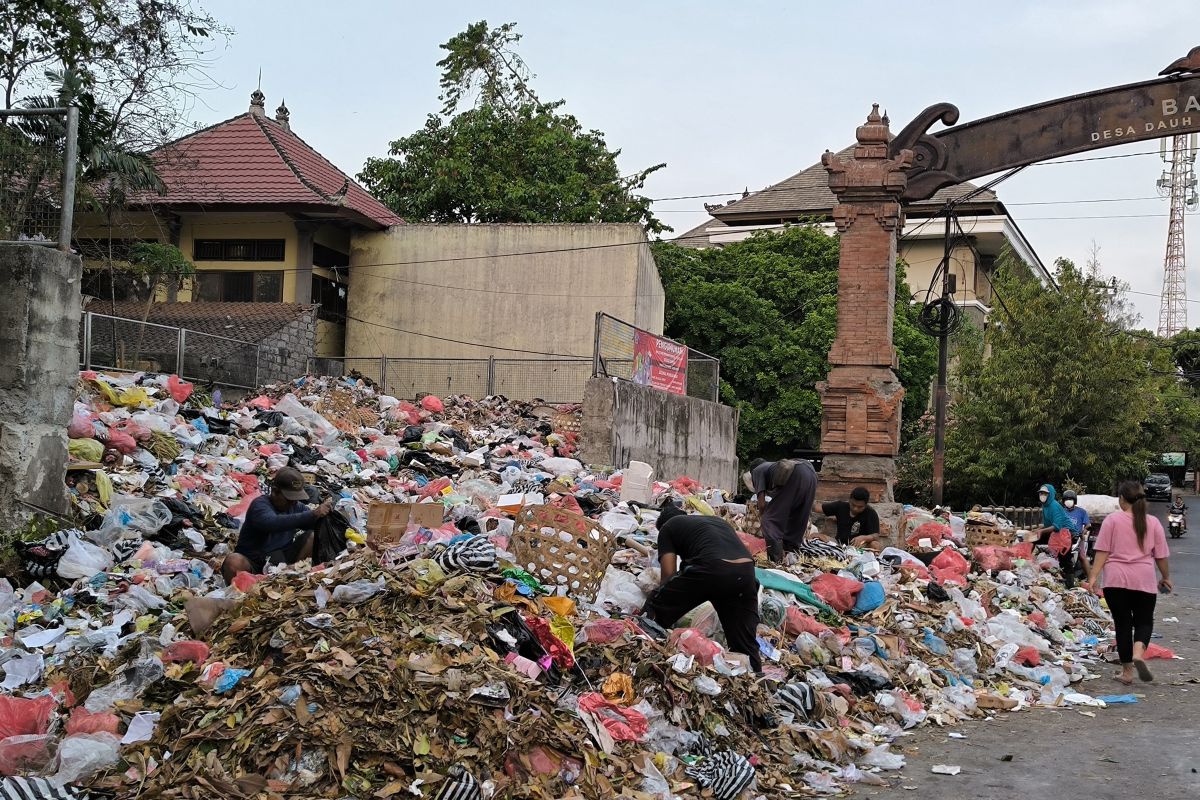
Bali, long celebrated as a global symbol of natural beauty and cultural richness, is now facing a reality that can no longer be ignored. The permanent closure of TPA Suwung on April 1, 2026, has exposed the fragility of the island’s waste management system. With no adequate final disposal site in place, waste is now accumulating rapidly across residential areas, spilling onto streets, producing unbearable odors, and posing serious health risks to local communities.
In many areas, residents—left with limited options—have resorted to open burning as a desperate measure. The thick smoke released into the air carries toxic substances, endangering both human health and the environment. This crisis is no longer just about cleanliness; it is an environmental, public health, and economic emergency. If left unaddressed, it will not only affect local communities but also severely damage Bali’s global reputation as a premier tourism destination.
This crisis did not happen overnight. For years, Bali has relied heavily on centralized waste disposal without equally investing in reduction and processing at the source. The growing volume of waste—dominated by single-use plastics and organic materials—has far exceeded the island’s capacity to manage it effectively. The lack of infrastructure, combined with insufficient behavioral change, has pushed the system to its breaking point.
Addressing this crisis requires firm, coordinated, and immediate action from all sectors:
1. A Source-Level Revolution (Household Responsibility)
Every household must commit to strict waste segregation: organic, recyclable, and residual waste. Organic waste, which can make up to 50% of daily trash, should be composted at home or within the community. This is not optional—it must become a standard practice, reinforced through education, monitoring, and enforceable local regulations.
2. Strengthening Community-Based Systems (Banjar & Villages)
Local communities, particularly at the banjar level, play a critical role. The rapid development and optimization of TPS3R facilities (Reduce-Reuse-Recycle waste processing units) must be prioritized in every village. Waste banks should also be expanded as part of a circular economy approach, turning waste into a resource with real economic value for residents.
3. Firm Government Intervention
Authorities must move beyond reactive measures. Strong policies are essential, including strict limitations on single-use plastics, penalties for illegal dumping and burning, and accelerated development of modern waste treatment facilities such as waste-to-energy plants or new sanitary landfills. Transparency and accountability are key to maintaining public trust and ensuring long-term success.
4. Accountability from the Tourism Industry
Hotels, restaurants, and tourism operators must lead by example—not contribute to the problem. Implementing zero-waste policies, reducing plastic usage, and partnering with responsible waste management providers should become the new standard. Visitors must also be educated and encouraged to respect and protect Bali’s environment.
5. A Collective Shift in Mindset
The core issue is not only systemic—it is behavioral. As long as waste is seen as something to simply “throw away and forget,” this crisis will persist. A cultural shift is needed, where every individual takes responsibility for the waste they generate.
The current waste crisis is a defining test for Bali—not only as a tourist destination but as a home for millions of people. This is a critical turning point: will Bali remain trapped in a cycle of recurring crises, or rise as a model of sustainable island living?
There are no quick fixes, and no single party can solve this alone. However, one truth is undeniable: delaying action will only deepen the crisis. Decisive steps must begin now—starting from individuals, extending to communities, and enforced at institutional levels.
Bali must not lose its identity to waste. Its beauty is not just a legacy to admire, but a responsibility to protect. With shared commitment, discipline, and collective action, this crisis can become a powerful catalyst for transformation—toward a cleaner, healthier, and more sustainable Bali for generations to come.